Can Antivirus Protect Windows 11 From Phishing?
Antivirus can help protect Windows 11 from phishing by warning about some dangerous links, websites, or downloads. It cannot identify every convincing scam or replace careful verification.
The short answer
Antivirus can help protect Windows 11 from phishing by warning about some dangerous links, websites, or downloads. It cannot identify every convincing scam or replace careful verification.
The phrase “can antivirus protect Windows 11 from phishing” can describe more than one situation. Some readers are deciding whether to buy protection, while others already have a Windows 11 computer and need help with installation, activation, renewal, or a security warning. Start with the situation that matches your device, then use the practical guidance below.
What matters for can antivirus protect Windows 11 from phishing
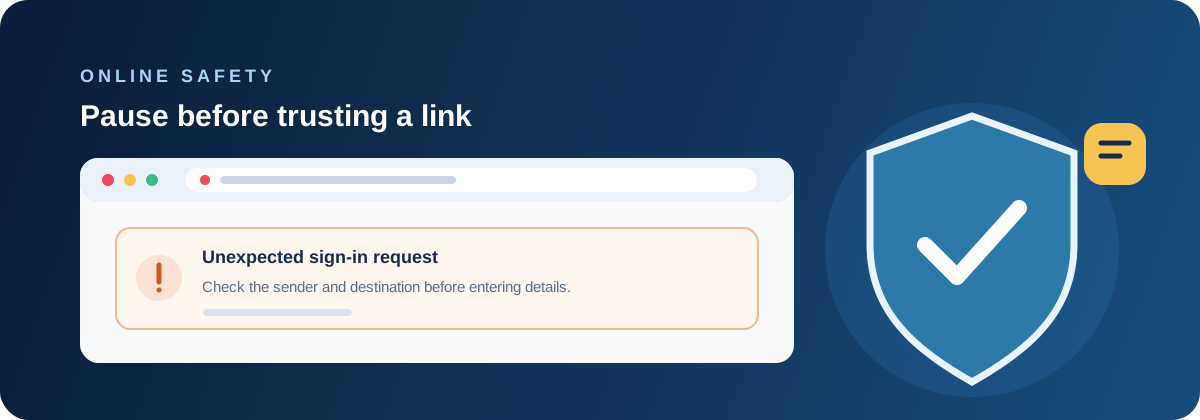
Phishing targets decisions as much as devices. Link scanning helps, but recognizing urgency, impersonation, and unusual requests is still important.
A useful decision is based on the actual computer and the person using it. Consider the files and accounts on the device, the websites and downloads involved, whether the computer travels, how many devices need coverage, and how comfortable you are handling updates and security alerts. A plan should solve a real need without adding confusing features or coverage you will not use.
Product information can change, so the linked Bitdefender product page is the source of truth for current device limits, supported platforms, license duration, price, and included features. This article explains the decision in general terms; it does not replace the specific terms shown at checkout.
What to check before you act
Windows 11 protection works best as a layered routine. Keep Windows, browsers, and applications current; use unique passwords and multi-factor authentication; download software from trustworthy sources; and keep recoverable backups. Antivirus can reduce risk and help respond to threats, but it cannot make every click, file, or account request safe.
Avoid rushing because a pop-up, email, or sales message uses urgent language. For can antivirus protect Windows 11 from phishing, pause and verify the product, seller, account, or alert through a trusted route. Do not publish license keys, payment details, or personal information in public forums. If an issue continues, contact IZenica using the store’s support path and include your order number rather than sensitive credentials.
- Email and browser link checks
- Fake-site and download warnings
- Sender and domain verification
- Multi-factor authentication
- Password uniqueness
- Reporting suspicious messages
A practical Windows 11 process
Use this process to turn the information about can antivirus protect Windows 11 from phishing into a safe next step. It is intentionally general because exact buttons and screens vary by product version and account.
After completing the process, verify the outcome. A purchase should produce a confirmation; an installation should show active protection; an activation should show the expected product and expiration; and a renewal should leave the correct devices covered. If the result is different, stop and ask support before making repeated changes.
Keep a simple record of the decision and the result: note the product name, covered devices, activation or expiry date, and any warning message. That record makes future renewal easier and gives support useful context without requiring you to share passwords, payment details, or license keys. If the computer is shared, make sure the person responsible for updates knows where this information is stored.
- Pause before opening unexpected links or attachments.
- Check the sender, domain, request, and urgency independently.
- Use a trusted bookmark instead of a message link for accounts.
- Change exposed credentials and report the message when appropriate.
Common mistakes to avoid
Many Windows 11 security problems are caused by assumptions rather than one dramatic failure. People may select a one-device license for a household, confuse a trial with a one-year license, install competing real-time products, or forget the expiry date. Reading the exact product details and saving the order information prevents many of these avoidable problems.
Do not use unsupported registry edits, random cleanup utilities, pirated installers, or instructions that ask you to disable security permanently. A safe guide should leave the device easier to protect, not more uncertain. When a warning involves an account, payment, or activation key, use a private and verified support channel.
- Do not assume all Bitdefender plans have the same features.
- Do not install from an unofficial download or unsolicited message.
- Do not ignore an expiry date or inactive dashboard.
- Do not share keys, passwords, or card details publicly.
- Do not promise yourself that backups will work—test them.
- Do not disable security as a first response to a problem.
Pros, limitations, and practical tradeoffs
The main benefit of following a deliberate Windows 11 security process is consistency. You know which product is active, which devices are covered, when the license expires, and where to find help. That reduces the chance of an accidental protection gap and makes it easier to explain a problem to a technician. A clear checklist also helps families and small teams make the same safe decision instead of relying on a frightening pop-up or an unverified recommendation. For more on protection against security threats, see our related guide.
There are limits to every product and every checklist. Security software uses some system resources, product features differ by plan, and no scanner can guarantee that a password was not stolen or that every website is safe. Windows 11 protection also depends on updates, browser settings, account security, backups, and the decisions people make. Choose controls you can maintain rather than buying features you will not understand or use. For more on Windows 11 security protection, see our related guide.
- Pros: creates a repeatable response for can antivirus protect Windows 11 from phishing
- Pros: makes device coverage, expiry, and activation easier to verify
- Pros: supports safer decisions when a warning feels urgent
- Limitation: exact screens and plan features can change
- Limitation: antivirus cannot replace updates, MFA, or backups
- Tradeoff: broader coverage can add cost or account management work
What to do next—and what to avoid
Turn this article into a short record for the specific Windows 11 computer. Write down the device name, the person responsible for it, the active security product, the protected device count, and the next review or expiry date. Complete one change at a time, then confirm the dashboard or account shows the expected result. If you are replacing a product, follow the supported removal and installation order rather than leaving two real-time products active together.
Avoid treating a generic search result as permission to change advanced settings. Do not download a “fix” from a banner, share an activation key in a public post, or let an unsolicited caller control the computer. If the issue involves suspected malware, isolate the device when practical and use a separate trusted device for password changes. Safe action is usually slower than a panic click, but it produces better evidence and fewer new problems.
- Do: verify the current status for can antivirus protect Windows 11 from phishing
- Do: save the order, activation, or expiry information privately
- Do: keep Windows, browsers, applications, and protection updated
- Do: use unique passwords and multi-factor authentication
- Avoid: running competing real-time antivirus products
- Avoid: disabling protection or editing the registry as a first response
- Avoid: restoring suspicious files without checking their source
When to get help and final thoughts
Ask for qualified help when Windows Security will not stay enabled, the product repeatedly fails to update or activate, files are being encrypted, unknown accounts appear, or payment and identity information may have been exposed. Work or school computers may require an internal incident process before you reset the device. For a personal computer, contact the security provider or IZenica through a known official route. Give support the article topic, device and operating system, exact warning, time it appeared, and steps already tried. Never send a password, full payment details, or a license key in an open message.
The right answer for can antivirus protect Windows 11 from phishing is not a promise that nothing can go wrong. It is a practical plan that leaves the device current, the active protection clear, the accounts harder to misuse, and recovery possible if an incident occurs. Review this guidance after major changes such as a new computer, a new household user, a license renewal, or a serious alert. A maintained routine is more dependable than a one-time installation or a dramatic cleanup tool. For more on antivirus scanning, see our related guide.
Frequently asked questions
- Can antivirus stop every phishing email?
- No. Phishing changes quickly and often relies on social engineering. Verify unusual requests independently.
- What should I do after clicking a suspicious link?
- Close the page, avoid entering more information, run an appropriate security check, and change exposed credentials using a trusted device.
Related Online Security Articles
View all Bitdefender guides · Windows 11 Antivirus Resource Center · Review web protection with Bitdefender · Understand internet security · Improve account security · Ask about web protection